


Biography
Patrick Caulfield (né en 1936 à Londres, Angleterre ; décédé en 2005 à Londres, Angleterre) est un peintre et graveur britannique connu pour ses natures mortes et ses intérieurs épurés, construits à partir de lignes noires épaisses et d’aplats de couleur uniforme. Les figures humaines y apparaissent rarement, mais des traces de présence abondent dans l’univers énigmatique de Caulfield. Dans ses compositions, la perspective semble souvent impossible à résoudre, renforcée par des espaces cachés avec des pichets, pots, fenêtres et recoins obscurs. Élève au Royal College of Art aux côtés de R.B. Kitaj, David Hockney, Allen Jones, Derek Boshier et Peter Phillips, Caulfield fut associé au Pop art britannique après sa participation à l’exposition The New Generation à la Whitechapel Gallery en 1964. Il se considérait pourtant comme un peintre formaliste, travaillant dans la tradition de Braque, Gris et Matisse. Admiré par ses pairs, Caulfield travaillait avec minutie, achevant chaque composition jusqu’à sa résolution complète. Dans ses œuvres tardives, il introduisit des éléments de photoréalisme et de trompe-l’œil afin de remettre en question la capacité illusionniste de la peinture.
Caulfield étudia à la Chelsea School of Art (1956–1960) puis au Royal College of Art (1960–1963), avant d’enseigner à Chelsea entre 1963 et 1971. Sa première exposition personnelle eut lieu à la Robert Fraser Gallery, Londres, en 1965. Il participa ensuite à de nombreuses expositions personnelles et collectives, au Royaume-Uni comme à l’international. Parmi les expositions collectives importantes auxquelles il prit part figurent celles de la Whitechapel Art Gallery (1964) et de la Royal Academy of Arts (1987). En 1991, il participa à l’exposition Pop Art à la Royal Academy of Arts, qui voyagea ensuite au Museum Ludwig, Cologne, et au Centro de Arte Reina Sofía, Madrid. Des rétrospectives majeures de son œuvre furent organisées au Walker Art Gallery, Liverpool, avant de voyager à la Tate Gallery, Londres (1981), puis à la Serpentine Gallery, Londres (1992–1993). Une rétrospective d’envergure, organisée par le British Council, fut présentée à la Hayward Gallery, Londres, en 1999, avant de voyager au Musée National d’Histoire et d’Art, Luxembourg, à la Fondation Calouste Gulbenkian, Lisbonne, et au Yale Center for British Art, New Haven (1999–2000). Caulfield fut nommé pour le Turner Prize en 1987 pour son exposition The Artist’s Eye à la National Gallery, Londres, et reçut le titre de CBE en 1996. En 2013, la Tate Britain présenta une importante exposition rétrospective de son œuvre.
Patrick Caulfield est représenté dans le monde entier par Waddington Custot.
Lire plus
Œuvres
-
 Patrick Caulfield, Bishops, 2004
acrylic on canvas
213.4 x 198.1 cm
Patrick Caulfield, Bishops, 2004
acrylic on canvas
213.4 x 198.1 cm
-
Patrick Caulfield, Interior with a Picture, 1986/5, part of Tate collection
acrylic on canvas
205.7 x 243.9 cm
-
Patrick Caulfield, Clasped Hands, 1973
acrylic on board
47.9 x 44.1 cm
%3Cdiv%20class%3D%22artist%22%3E%3Cspan%20class%3D%22artist%22%3E%3Cstrong%3EPatrick%20Caulfield%3C/strong%3E%3C/span%3E%3C/div%3E%0D%3Cdiv%20class%3D%22title%22%3E%3Cem%3EClasped%20Hands%3C/em%3E%2C%201973%3C/div%3E%0D%3Cdiv%20class%3D%22medium%22%3Eacrylic%20on%20board%3C/div%3E%0D%3Cdiv%20class%3D%22dimensions%22%3E47.9%20x%2044.1%20cm%3C/div%3E
-
Patrick Caulfield, Pony, 1964
oil on board
122 x 152.5 cm
%3Cdiv%20class%3D%22artist%22%3E%3Cspan%20class%3D%22artist%22%3E%3Cstrong%3EPatrick%20Caulfield%3C/strong%3E%3C/span%3E%3C/div%3E%0D%3Cdiv%20class%3D%22title%22%3E%3Cem%3EPony%3C/em%3E%2C%201964%3C/div%3E%0D%3Cdiv%20class%3D%22medium%22%3Eoil%20on%20board%3C/div%3E%0D%3Cdiv%20class%3D%22dimensions%22%3E122%20x%20152.5%20cm%3C/div%3E
-
Patrick Caulfield, Landscape with Birds, 1963
gloss paint with hardboard
121.9 x 121.9 cm
-
Patrick Caulfield, Study for 'In My Room', c.1974
pencil and pen on board
21 1/2 x 31 1/2 in / 54.6 x 80 cm
%3Cdiv%20class%3D%22artist%22%3E%3Cspan%20class%3D%22artist%22%3E%3Cstrong%3EPatrick%20Caulfield%3C/strong%3E%3C/span%3E%3C/div%3E%0D%3Cdiv%20class%3D%22title%22%3E%3Cem%3EStudy%20for%20%27In%20My%20Room%27%3C/em%3E%2C%20c.1974%3C/div%3E%0D%3Cdiv%20class%3D%22medium%22%3Epencil%20and%20pen%20on%20board%3C/div%3E%0D%3Cdiv%20class%3D%22dimensions%22%3E21%201/2%20x%2031%201/2%20in%20/%2054.6%20x%2080%20cm%3C/div%3E
-
Patrick Caulfield, Study for 'Tandoori Restaurant', c.1971
pencil and pen on paper
22 x 30 in / 55.9 x 76.2 cm
%3Cdiv%20class%3D%22artist%22%3E%3Cspan%20class%3D%22artist%22%3E%3Cstrong%3EPatrick%20Caulfield%3C/strong%3E%3C/span%3E%3C/div%3E%0D%3Cdiv%20class%3D%22title%22%3E%3Cem%3EStudy%20for%20%27Tandoori%20Restaurant%27%3C/em%3E%2C%20c.1971%3C/div%3E%0D%3Cdiv%20class%3D%22medium%22%3Epencil%20and%20pen%20on%20paper%3C/div%3E%0D%3Cdiv%20class%3D%22dimensions%22%3E22%20x%2030%20in%20/%2055.9%20x%2076.2%20cm%3C/div%3E
-
Patrick Caulfield, Night Pipe, 1992
acrylic on canvas
24 x 30 in / 60.1 x 76.2 cm
-
Patrick Caulfield, Reception, 1988
acrylic on canvas
120 x 81 in / 304.8 x 205.7 cm
%3Cdiv%20class%3D%22artist%22%3E%3Cspan%20class%3D%22artist%22%3E%3Cstrong%3EPatrick%20Caulfield%3C/strong%3E%3C/span%3E%3C/div%3E%0D%3Cdiv%20class%3D%22title%22%3E%3Cem%3EReception%3C/em%3E%2C%201988%3C/div%3E%0D%3Cdiv%20class%3D%22medium%22%3Eacrylic%20on%20canvas%3C/div%3E%0D%3Cdiv%20class%3D%22dimensions%22%3E120%20x%2081%20in%20/%20304.8%20x%20205.7%20cm%3C/div%3E
-
Patrick Caulfield, Wall Lights, 1988
collage and acrylic on board
26 3/4 x 36 in / 68 x 91.4 cm
%3Cdiv%20class%3D%22artist%22%3E%3Cspan%20class%3D%22artist%22%3E%3Cstrong%3EPatrick%20Caulfield%3C/strong%3E%3C/span%3E%3C/div%3E%0D%3Cdiv%20class%3D%22title%22%3E%3Cem%3EWall%20Lights%3C/em%3E%2C%201988%3C/div%3E%0D%3Cdiv%20class%3D%22medium%22%3Ecollage%20and%20acrylic%20on%20board%3C/div%3E%0D%3Cdiv%20class%3D%22dimensions%22%3E26%203/4%20x%2036%20in%20/%2068%20x%2091.4%20cm%3C/div%3E
-
Patrick Caulfield, Untitled (set design for 'Party Game'), 1984
pencil and crayon on board
18 1/8 x 31 3/8 in / 46 x 79.6 cm
%3Cdiv%20class%3D%22artist%22%3E%3Cspan%20class%3D%22artist%22%3E%3Cstrong%3EPatrick%20Caulfield%3C/strong%3E%3C/span%3E%3C/div%3E%0D%3Cdiv%20class%3D%22title%22%3E%3Cem%3EUntitled%20%28set%20design%20for%20%27Party%20Game%27%29%3C/em%3E%2C%201984%3C/div%3E%0D%3Cdiv%20class%3D%22medium%22%3Epencil%20and%20crayon%20on%20board%3C/div%3E%0D%3Cdiv%20class%3D%22dimensions%22%3E18%201/8%20x%2031%203/8%20in%20/%2046%20x%2079.6%20cm%3C/div%3E


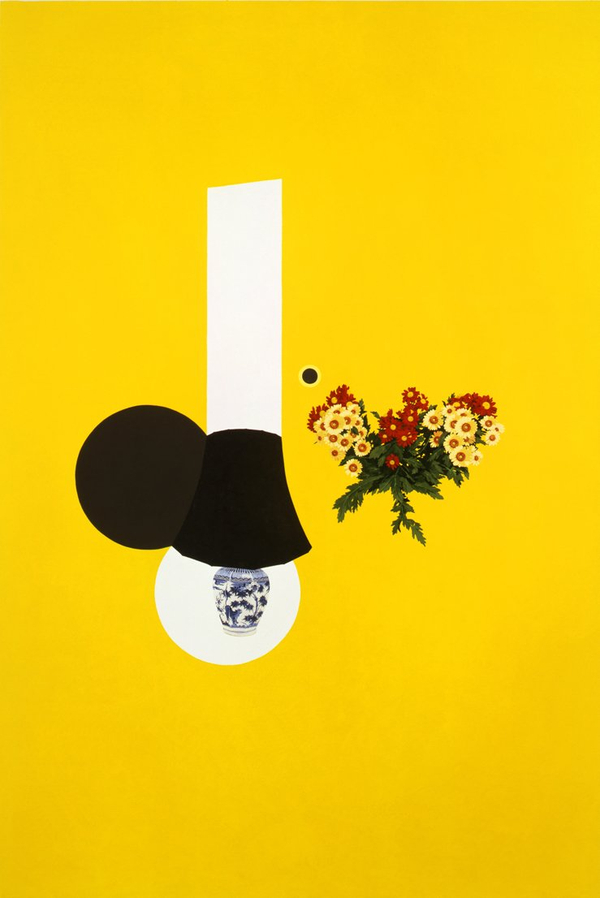


Patrick Caulfield: Morning, Noon and Night

Dernières

News

Beyond Surrealism reviewed in Talk Art

An Evening of Jazz at Waddington Custot

Wallpaper celebrate Caulfield’s paintings brought to life

Patrick Caulfield: Stillness & Drama

A Strong Sweet Smell of Incense

Patrick Caulfield
Publications

Patrick Caulfield

When Britain Went Pop

Pop Imagery

Patrick Caulfield

Patrick Caulfield

Paintings, Sculpture and Works on Paper

United Kingdom United States


